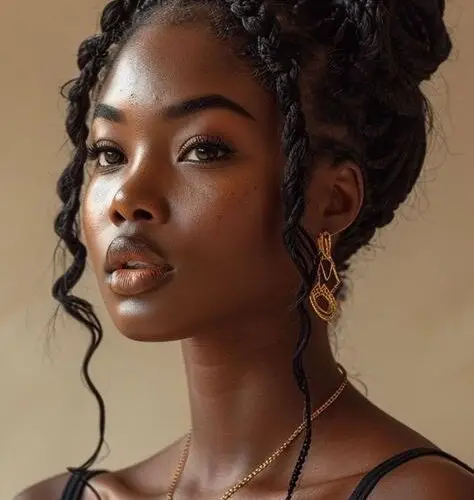
Braids have always been a go-to for Black women when they want a low-effort style. Vacations, a break from heat styling, or just wanting to look put together without having to do their hair every day – braids handle all that. They’re protective, versatile, and consistently one of the easiest ways to look good without overthinking it. That’s exactly why this conversation matters so much, because the hair many of us rely on is now being questioned in a way that’s impossible to ignore.
Recent testing reported by Consumer Reports and supported by research out of Harvard University found that some of the most popular synthetic braiding hair brands contain harmful chemicals. Not vague, “this might irritate your skin” type of concerns. We’re talking benzene, a known carcinogen, unsafe levels of lead in most of the products tested, and volatile compounds like acetone that you can literally inhale. All 10 synthetic hair products tested showed the presence of toxins. That’s not a fluke. That’s a pattern. Whether it’s intentional or not remains to be discussed.
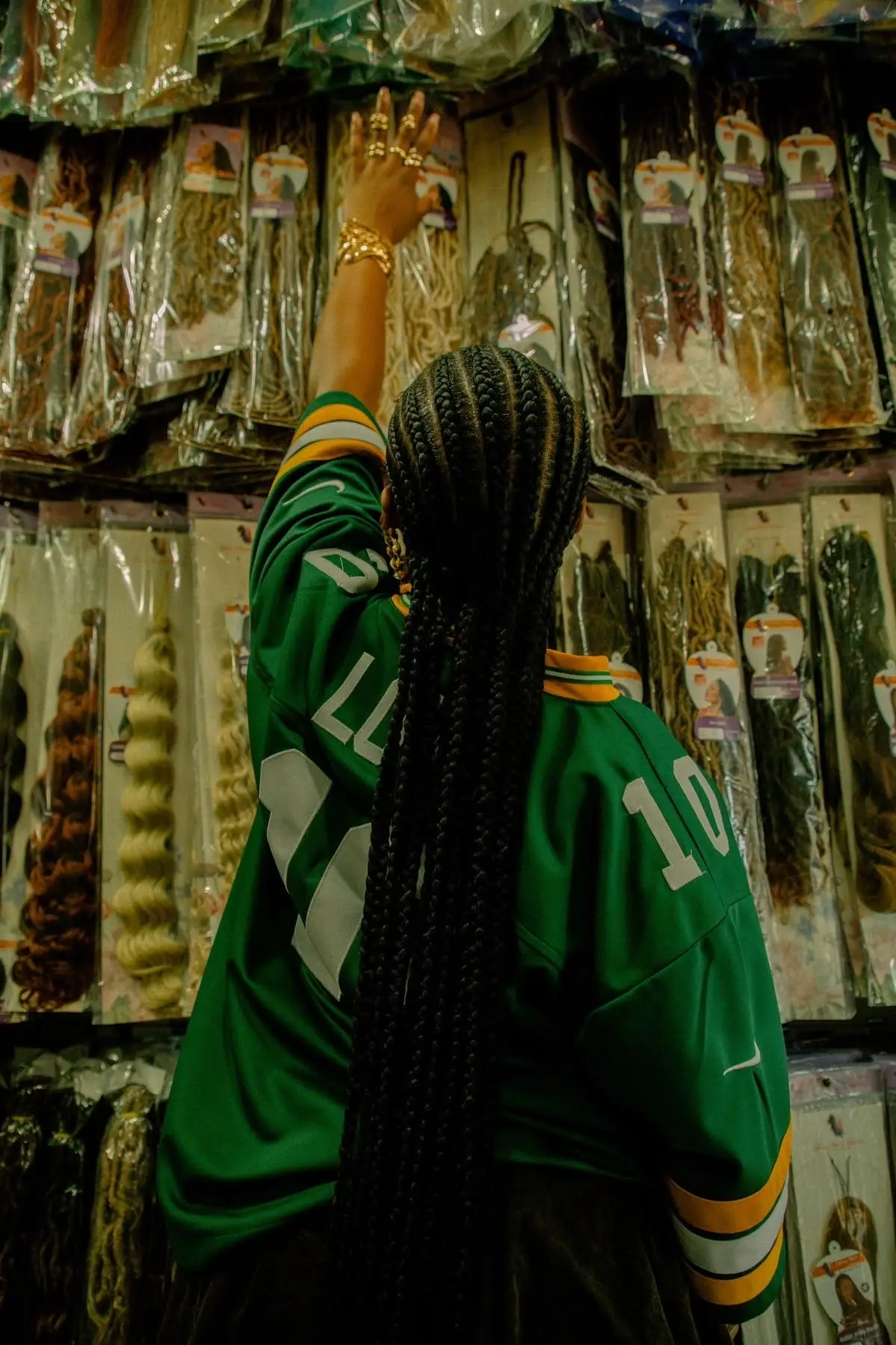
What makes this hit differently is how braiding hair is actually used. This isn’t something you apply and rinse out at the end of the day. It sits on your scalp for weeks to months at a time. You sleep in it, sweat in it, live your life in it. According to Tamarra James-Todd, these chemicals don’t just stay on the surface. They can be absorbed through the skin, inhaled, and even enter the body through simple hand-to-mouth contact. Some of them may also disrupt the body’s hormonal system. So those moments when your scalp felt irritated, or your skin reacted, and you brushed it off as “just part of the process” might not have been normal at all.
And this is where the conversation shifts from concerning to frustrating. The majority of people using braiding hair are Black women. We are one of the most powerful consumer groups in beauty. We spend the money, we influence the culture, and we consistently show up for this industry. Yet the products designed specifically for us are the ones showing up with these findings and very little regulation behind them. At some point, it stops feeling like an oversight and starts feeling like a lack of concern.
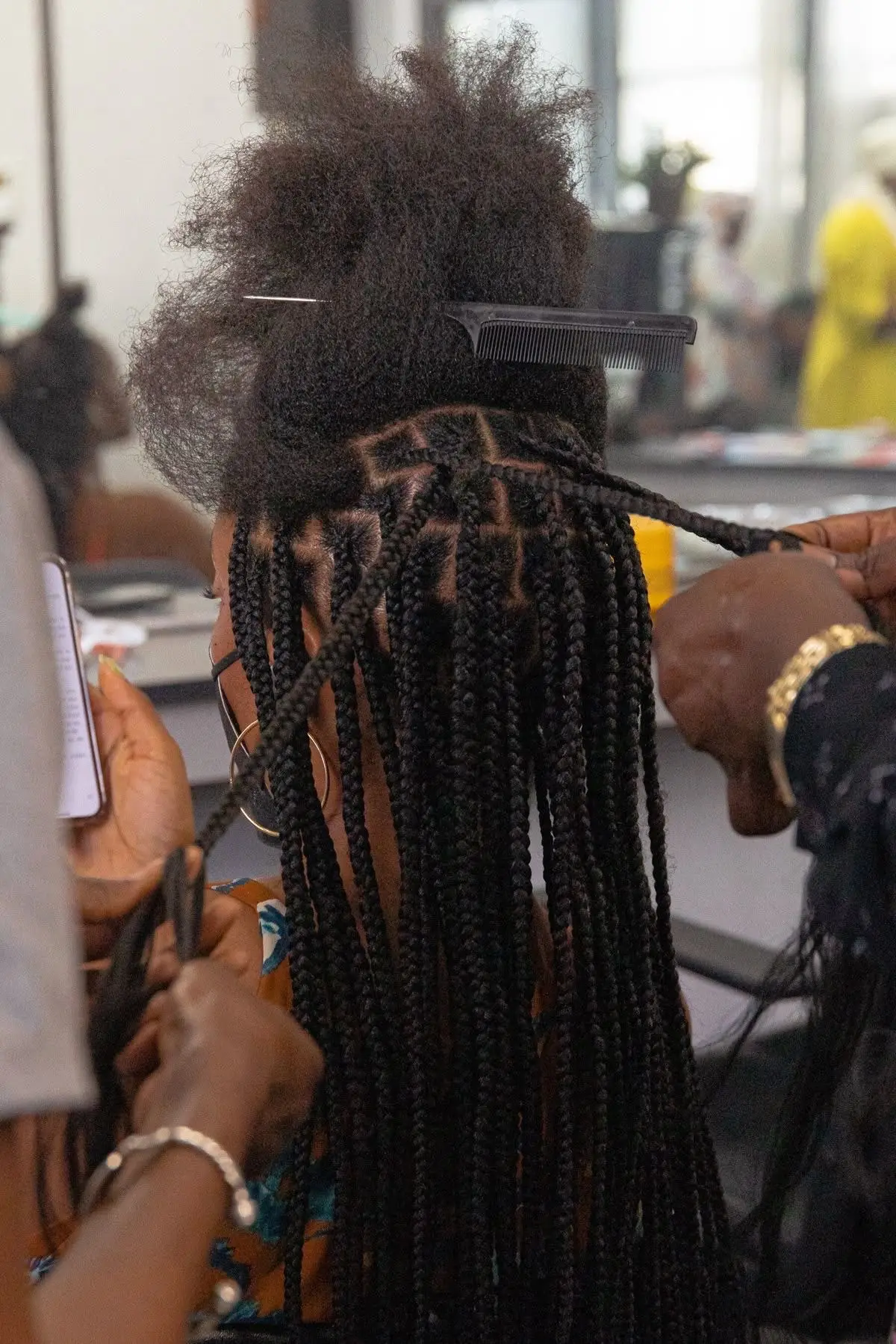
“We shouldn’t have to question the safety of something that’s been marketed to us for decades”, says James-Todd. That’s the part that doesn’t sit right. Nobody buying braiding hair is running lab tests beforehand. There’s an assumption that if it’s widely available and widely used, it meets a basic standard of safety. Clearly, that assumption doesn’t always hold up.
At the same time, this isn’t about telling people to stop wearing braids. That’s not realistic, and honestly, it’s not necessary. Braids are a staple. They’re protective, convenient, and a huge part of how many of us manage our hair. The real shift here is awareness. Once you know what you’re working with, you can start making more informed choices.
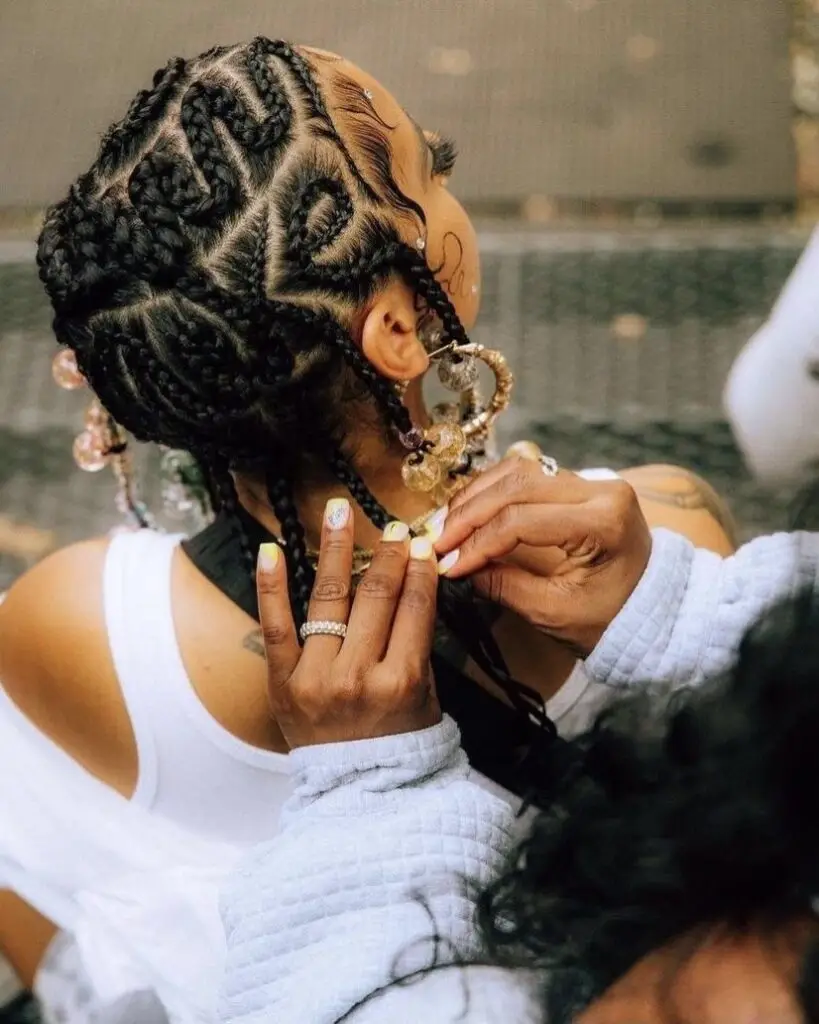
James-Todd continues that Black women “deserve products that match the level of investment we put into this industry.” That means safer options, better transparency, and actual accountability. The good news is that brands are starting to respond, offering non-toxic or lower-toxicity alternatives that let you still wear the styles you love without the same level of concern.
At the end of the day, this isn’t about fear or overreaction. It’s about information. It’s about understanding what’s been normalized and deciding what you’re willing to continue accepting. Because protective styling should actually be protective – in every sense of the word.
Nontoxic Braiding Hair Alternatives
• RastAfri
• Rebundle
The style doesn’t have to change, just the standard. Because we deserve products that support our beauty, without compromising our health.
XOXO,
Your Beauty Bestie