The Internet Said Nope
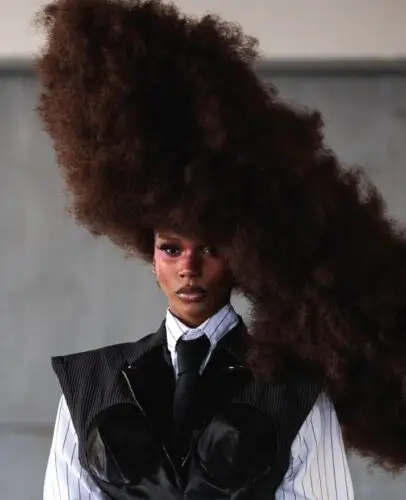
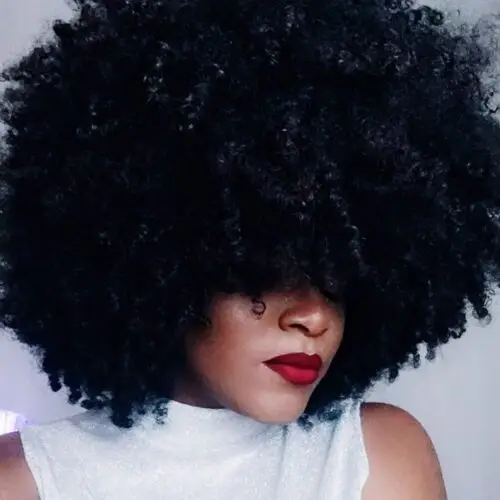
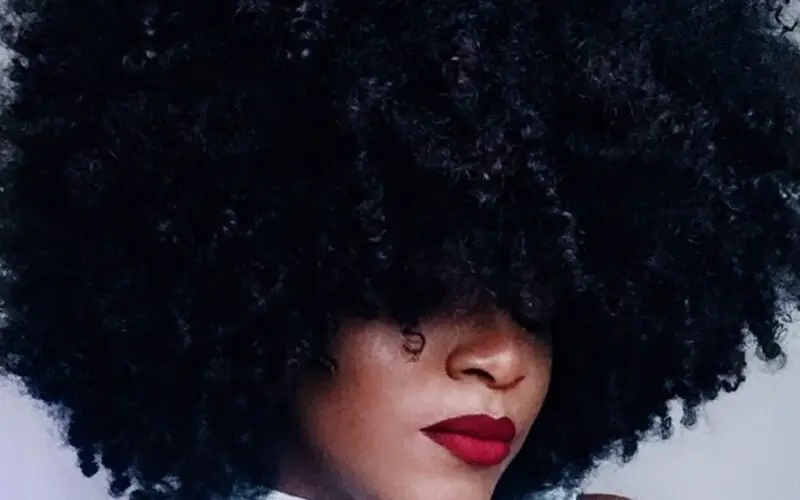
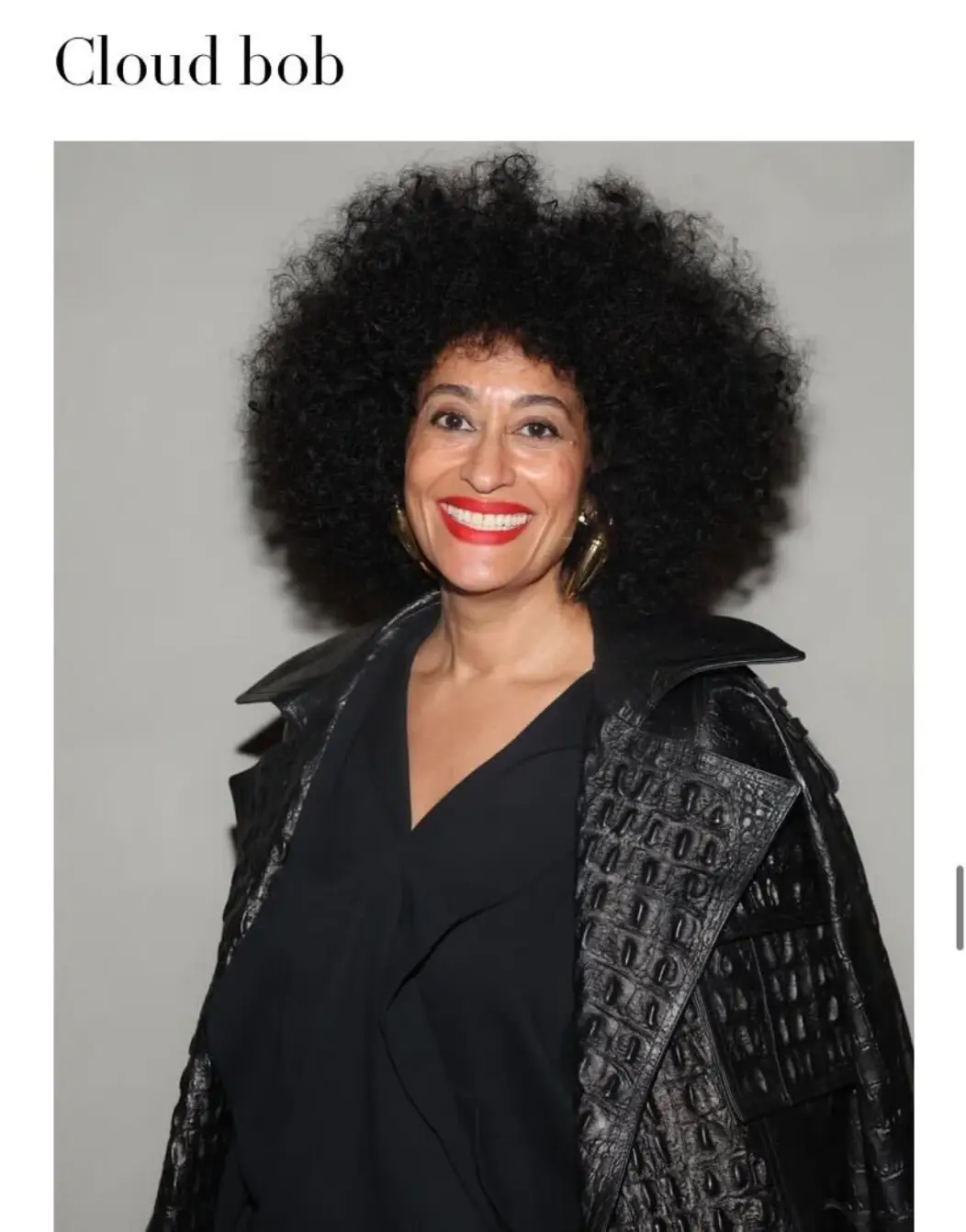
There are certain things in beauty you don’t get to “discover.” The Afro is one of them. So when Vogue described Tracee Ellis Ross’s hair as a “cloud bob,” it didn’t read as creative direction. All hell broke loose!
As a hairstylist and makeup artist who has spent over a decade working backstage, on set, and across fashion, I can tell you this with confidence: there is no scenario where a professional looks at that shape, that texture, that density, and doesn’t know they’re looking at an Afro. That’s not subjective, it’s just foundational knowledge.
What Vogue attempted to do was reframe it. In the now-edited piece, the look was described as “soft,” “airy,” and “rounded,” language that subtly removes the cultural specificity and replaces it with something more neutral and trendy. And that’s where the drama started, because the Afro is not a trend.
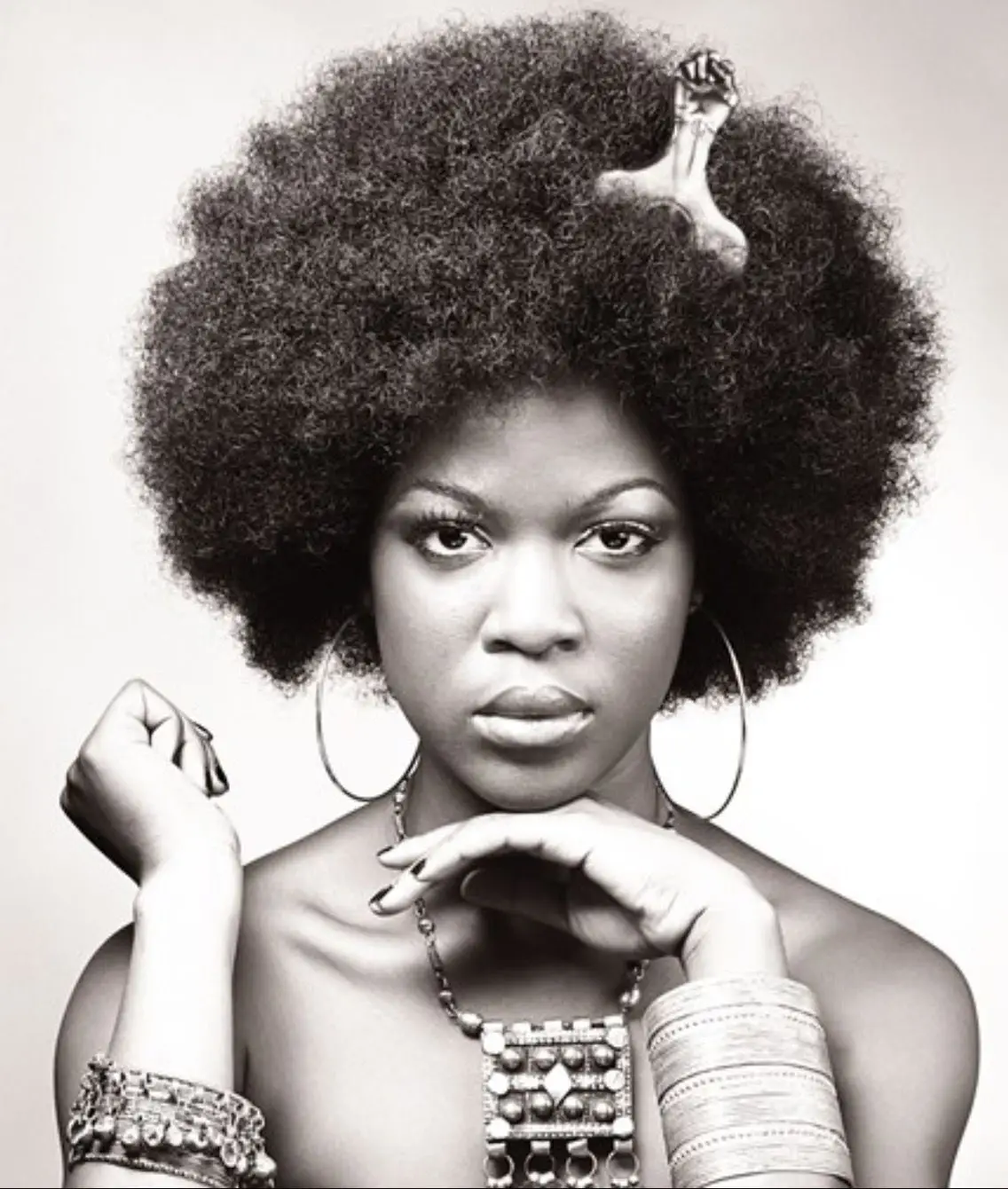
The Afro is a cultural marker with deep ties to Black identity, politics, and self-definition, especially during the Civil Rights era. So, you don’t get to rename something that already has history and call it innovation. And if we’re being real, Afros have been around so long that even non-Black icons like Bob Ross and Cher wore them publicly for years. Nobody felt the need to rename it then. So why are we doing it now?
Of course, the internet responded, and they didn’t disappoint.
One viral TikTok reaction put it plainly:
“That’s not a cloud bob. That’s an Afro. Why are we renaming things that already have names?”
Another post that circulated widely said:
“Every time Black people create something, it gets rebranded once it becomes acceptable.”
The tone wasn’t confusion. It was frustration. And honestly, it was warranted because this isn’t new.
We’ve seen cornrows relabeled as “boxer braids” after celebrities like Kim K wore them, despite the style’s documented roots in African culture. We’ve seen silk presses – something Black stylists have mastered for decades – be repackaged as “glass hair,” a new, modern technique for straightening hair.
From an industry perspective, this pattern is clear: a style exists within Black culture, gets stigmatized for being too urban, then it’s reintroduced as a trend. When you remove the origin, you also remove the expertise behind it. You remove the stylists who have been doing this work long before it became marketable. And you create a narrative where something established is suddenly “new,” simply because it’s been reframed for a mainstream audience. That’s why this moment landed the way it did.
Especially considering who was wearing the style! Tracee Ellis Ross, founder of Pattern, has built a hair empire around embracing natural texture and celebrating Black hair in all its expressions. To mislabel that in a publication as influential as Vogue – where she once worked – feels like a complete oversight.
After the backlash, the “cloud bob” reference was quietly removed. No real acknowledgment, just a correction. But the reaction didn’t go anywhere. A reminder that if you don’t understand the culture, you shouldn’t be the one defining it.
XOXO,
Your Beauty Bestie